The Rise of Independent Watchmakers: A New Era

The world of horology is undergoing a significant transformation. Independent watchmakers are stepping into the spotlight, challenging the dominance of established luxury brands. This shift is not just about craftsmanship; it represents a broader movement towards individuality, creativity, and authenticity in the watch industry. In this blog post, we will explore the factors contributing to the rise of independent watchmakers, the unique characteristics that set them apart, and what this means for the future of watchmaking.
The Shift in Consumer Preferences
A Desire for Authenticity
In recent years, consumers have shown a growing preference for authenticity over mass production. This trend is evident across various industries, including fashion, food, and now, watches. Independent watchmakers offer a personal touch that resonates with buyers looking for unique pieces that tell a story. Unlike mass-produced watches, each independent creation often reflects the maker's philosophy and craftsmanship, appealing to those who value individuality.
The Impact of Social Media
Social media has played a pivotal role in the rise of independent watchmakers. Platforms like Instagram and YouTube allow these artisans to showcase their work directly to consumers, bypassing traditional marketing channels. This direct engagement fosters a sense of community and connection, enabling watch enthusiasts to discover and support independent brands. The visual nature of these platforms also highlights the intricate details and craftsmanship that define independent watches.
Characteristics of Independent Watchmakers
Craftsmanship and Artistry
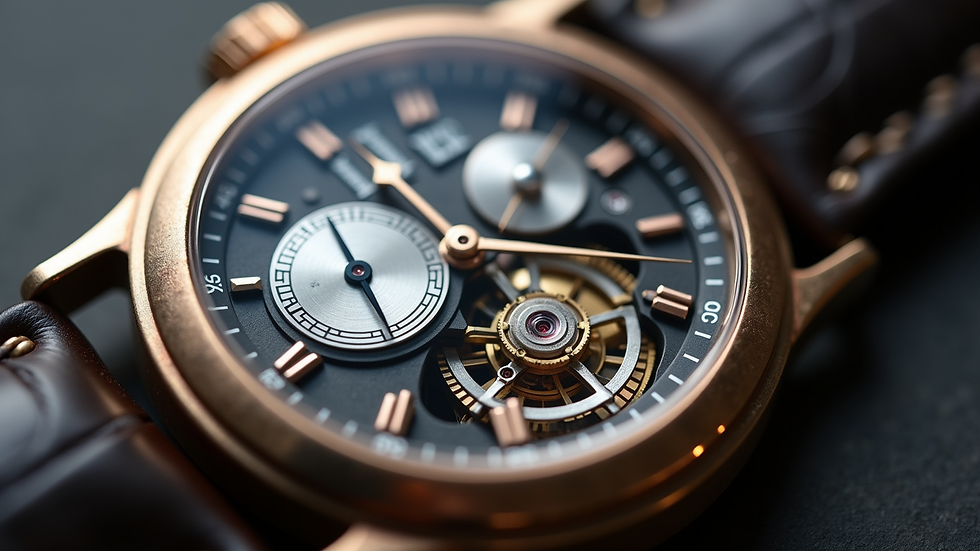
Independent watchmakers pride themselves on their craftsmanship. Many of them operate small workshops where they design and assemble watches by hand. This level of attention to detail is often lost in mass production. For example, brands like F.P. Journe and A. Lange & Söhne are known for their meticulous craftsmanship, with movements that are not only functional but also works of art.
Limited Production Runs
Another defining feature of independent watchmakers is their limited production runs. Unlike large brands that produce thousands of units, independent makers often create only a handful of pieces each year. This exclusivity adds to the allure of their watches, making them highly sought after by collectors. For instance, MB&F (Maximilian Büsser & Friends) is known for its limited-edition timepieces that blend innovative design with traditional watchmaking techniques.
Innovation and Creativity
Independent watchmakers are often at the forefront of innovation. They are not bound by corporate structures or traditional design philosophies, allowing them to experiment with new materials, movements, and aesthetics. For example, Urwerk has gained recognition for its avant-garde designs and unconventional time displays, pushing the boundaries of what a watch can be.
The Challenges Faced by Independent Watchmakers
Market Competition
While the rise of independent watchmakers is promising, they face significant challenges in a competitive market. Established luxury brands have strong brand recognition and loyal customer bases, making it difficult for newcomers to gain traction. Independent watchmakers must find ways to differentiate themselves and communicate their unique value propositions effectively.
Production Costs
The artisanal nature of independent watchmaking often leads to higher production costs. Sourcing high-quality materials and investing in skilled labor can be expensive, which may result in higher retail prices. Independent brands must balance the need for quality with affordability to attract a broader audience.
The Future of Independent Watchmaking
Growing Community Support
As consumers increasingly seek authenticity and craftsmanship, the community supporting independent watchmakers is growing. Watch fairs, exhibitions, and online platforms dedicated to independent brands are becoming more prevalent. Events like Baselworld and SIHH (Salon International de la Haute Horlogerie) have started to include dedicated sections for independent watchmakers, showcasing their work to a wider audience.
Collaboration and Partnerships
Another trend is the collaboration between independent watchmakers and established brands. These partnerships can provide independent makers with the resources and exposure needed to thrive in a competitive market. For example, collaborations between independent brands and luxury houses can lead to unique limited-edition pieces that attract collectors from both sides.
Embracing Technology
Independent watchmakers are also embracing technology to enhance their offerings. From using advanced CAD software for design to incorporating smart features into traditional timepieces, technology is reshaping the landscape of watchmaking. This fusion of traditional craftsmanship with modern technology can create innovative products that appeal to a new generation of watch enthusiasts.
Conclusion
The rise of independent watchmakers marks a new era in the world of horology. As consumers increasingly value authenticity, craftsmanship, and individuality, these artisans are carving out a niche that challenges the status quo. With their unique designs, limited production runs, and commitment to quality, independent watchmakers are not just creating timepieces; they are building a movement that celebrates the art of watchmaking.
As you explore this exciting landscape, consider supporting independent brands that resonate with your values. Whether you are a seasoned collector or a newcomer to the world of watches, there has never been a better time to discover the artistry and innovation of independent watchmakers.
Comments